Serie sculture per la pace
In queste serie di opere, il linguaggio figurativo di Albertini mantiene la centralità della manualità e del corpo come simbolo, ma modifica progressivamente la propria prospettiva: dalle radici biologiche della vita, della malattia e della sofferenza, indagate nelle Biosculture, passa alla coscienza storica e civile della guerra e della pace, dando origine alla serie Sculture per la pace. A unire le due ricerche è la convinzione che l’arte non sia semplice decorazione, ma testimonianza: una forma di memoria attiva, capace di denunciare, raccontare e, nello stesso tempo, indicare una possibilità di rinascita.
Le Sculture per la pace, raccolte nel volume Mettiamo un fiore. Sculture per la pace, pubblicato nel 2025, ampliano questa riflessione esistenziale e la orientano verso la dimensione universale della convivenza e del rifiuto della guerra.Se nelle prime Biosculture il corpo umano era soprattutto il luogo della malattia e della memoria biologica, nelle opere dedicate alla pace esso diventa il teatro delle contraddizioni del nostro tempo. Figure ferite, personaggi insoliti, politici, Pinocchi, ragazzi con il pallone o con il cane, bambini imbronciati o dallo sguardo smarrito convivono con opere legate al mito e alla storia. Sculture come Il mio David che va in guerra, Ragazzo ferito, No War in cera e STOP in marmo trasformano la materia e la figura umana in strumenti di denuncia e, insieme, in un invito alla speranza.
In these series of works, Albertini’s figurative language preserves the central role of craftsmanship and of the body as a symbol, while gradually shifting its perspective: from the biological roots of life, illness, and suffering explored in the Biosculptures, it moves towards a historical and civic awareness of war and peace, giving rise to the series Sculptures for Peace. What unites these two lines of research is the conviction that art is not mere decoration, but testimony: a form of active memory capable of denouncing, narrating, and, at the same time, pointing towards the possibility of rebirth.
The Sculptures for Peace, collected in the volume Let Us Plant a Flower. Sculptures for Peace, published in 2025, broaden this existential reflection and direct it towards the universal dimension of coexistence and the rejection of war.While in the early Biosculptures the human body was primarily the site of illness and biological memory, in the works dedicated to peace it becomes the stage upon which the contradictions of our time are played out. Wounded figures, unusual characters, politicians, Pinocchios, boys with a football or a dog, sullen children, and children with lost expressions coexist with works connected to myth and history.Sculptures such as My David Goes to War, Wounded Boy, No War in wax, and STOP in marble transform matter and the human figure into instruments of denunciation and, at the same time, into an invitation to hope.


La pace non è assenza di conflitto, ma responsabilità della memoria. Attraverso la figura umana, AlbertiniArt affronta le ferite del presente trasformandole in immagini di resistenza, speranza e rinascita.La storia della scultura ha sempre raccontato il destino dell’uomo: la vittoria e la sconfitta, il sacrificio e la speranza, la forza e la fragilità. Oggi, di fronte ai conflitti che attraversano il nostro tempo, questa tradizione assume un significato nuovo. Le Sculture per la Pace nascono dal desiderio di restituire alla figura umana la sua centralità. Non celebrano la guerra né descrivono la cronaca degli eventi, ma riflettono sulle conseguenze della violenza, sulla perdita dell’innocenza e sulla possibilità della rinascita. Bronzo, marmo e altri materiali diventano strumenti di una ricerca che unisce memoria storica e sensibilità contemporanea, invitando lo spettatore a riconoscere nell’opera non una risposta definitiva, ma uno spazio di riflessione.à e che riflettono la ferita del presente, diventando specchio delle tensioni sociali e civili.
Peace is not the absence of conflict, but the responsibility of memory. Through the human figure, AlbertiniArt addresses the wounds of the present, transforming them into images of resistance, hope, and rebirth. The history of sculpture has always told the destiny of humankind: victory and defeat, sacrifice and hope, strength and fragility. Today, in the face of the conflicts that cross our time, this tradition takes on a new meaning. The Sculptures for Peace arise from the desire to restore centrality to the human figure. They do not celebrate war, nor do they describe the chronicle of events; rather, they reflect on the consequences of violence, the loss of innocence, and the possibility of rebirth. Bronze, marble, and other materials become instruments of a research that brings together historical memory and contemporary sensitivity, inviting the viewer to recognize in the work not a definitive answer, but a space for reflection. The sculptures mirror the wounds of the present, becoming a reflection of today’s social and civic tensions.
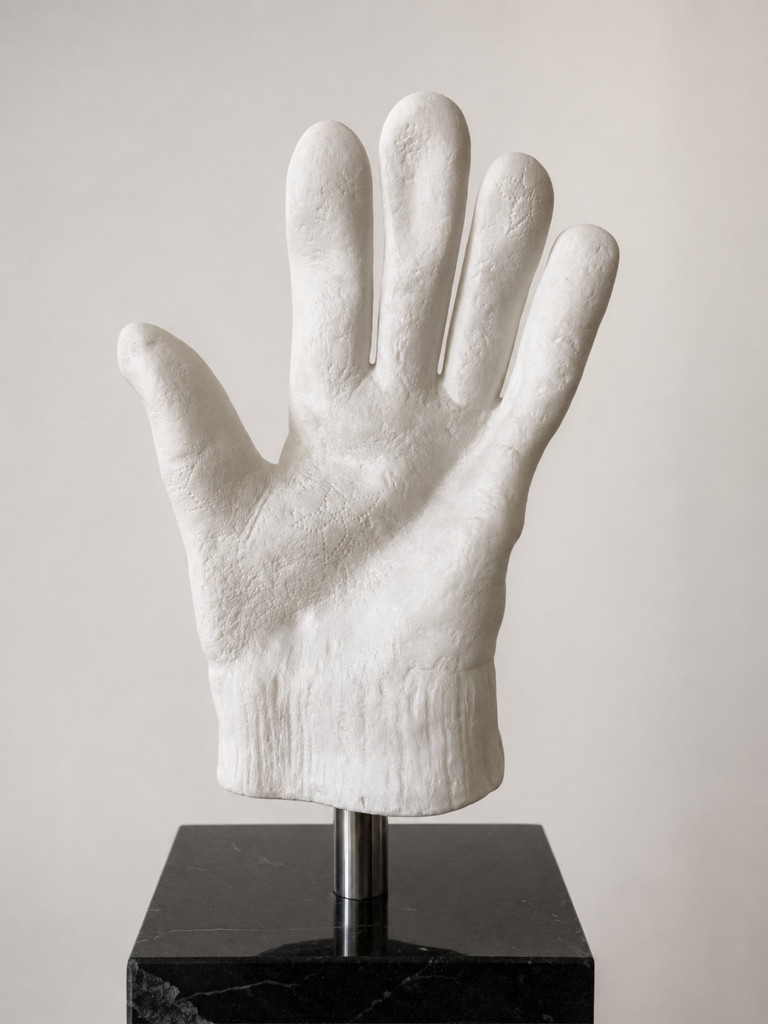
STOP per la pace – STOP for peace
Marmo bianco Carrara – White Carrara marble.
Una soglia simbolica che interrompe il ciclo della violenza. Il marmo, materiale della memoria e della permanenza, trasforma un segnale contemporaneo in un monumento civile.
A symbolic threshold that interrupts the cycle of violence. Marble, a material of memory and permanence, transforms a contemporary sign into a civic monument.
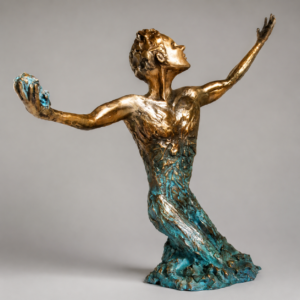
Davide che va in guerra – David Goes to War
Bronzo organico, fusione a cera persa – Organic bronze, lost-wax casting
Il simbolo rinascimentale dell’eroe diventa un giovane costretto a confrontarsi con il conflitto contemporaneo. La scultura riflette sulla perdita dell’innocenza e sul destino dell’uomo.
The Renaissance symbol of the hero becomes a young man forced to confront contemporary conflict. The sculpture reflects on the loss of innocence and on the destiny of humankind.es testimony, reflection and hope.”“
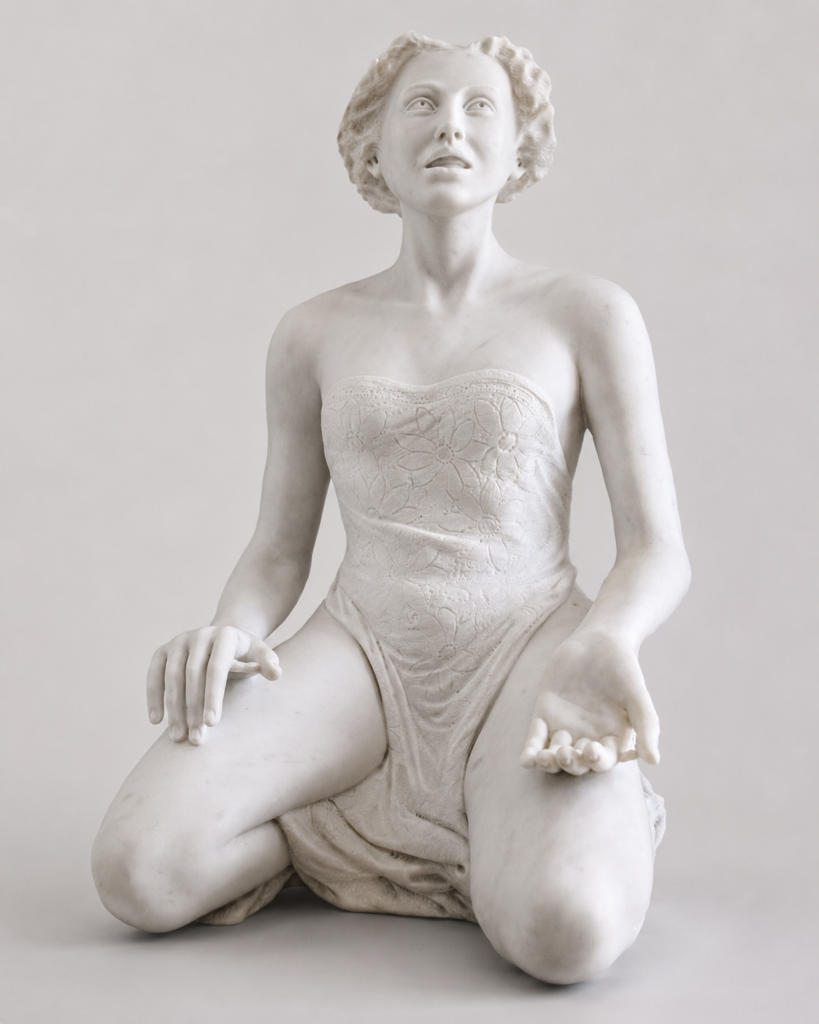
Il sospiro di Giuditta – Judith’s Sigh
Marmo bianco Michelangelo – White Michelangelo marble.
Una soglia simbolica che interrompe il ciclo della violenza. Il marmo, materiale della memoria e della permanenza, trasforma un segnale contemporaneo in un monumento civile.
A symbolic threshold that interrupts the cycle of violence. Marble, a material of memory and permanence, transforms a contemporary sign into a civic monument..
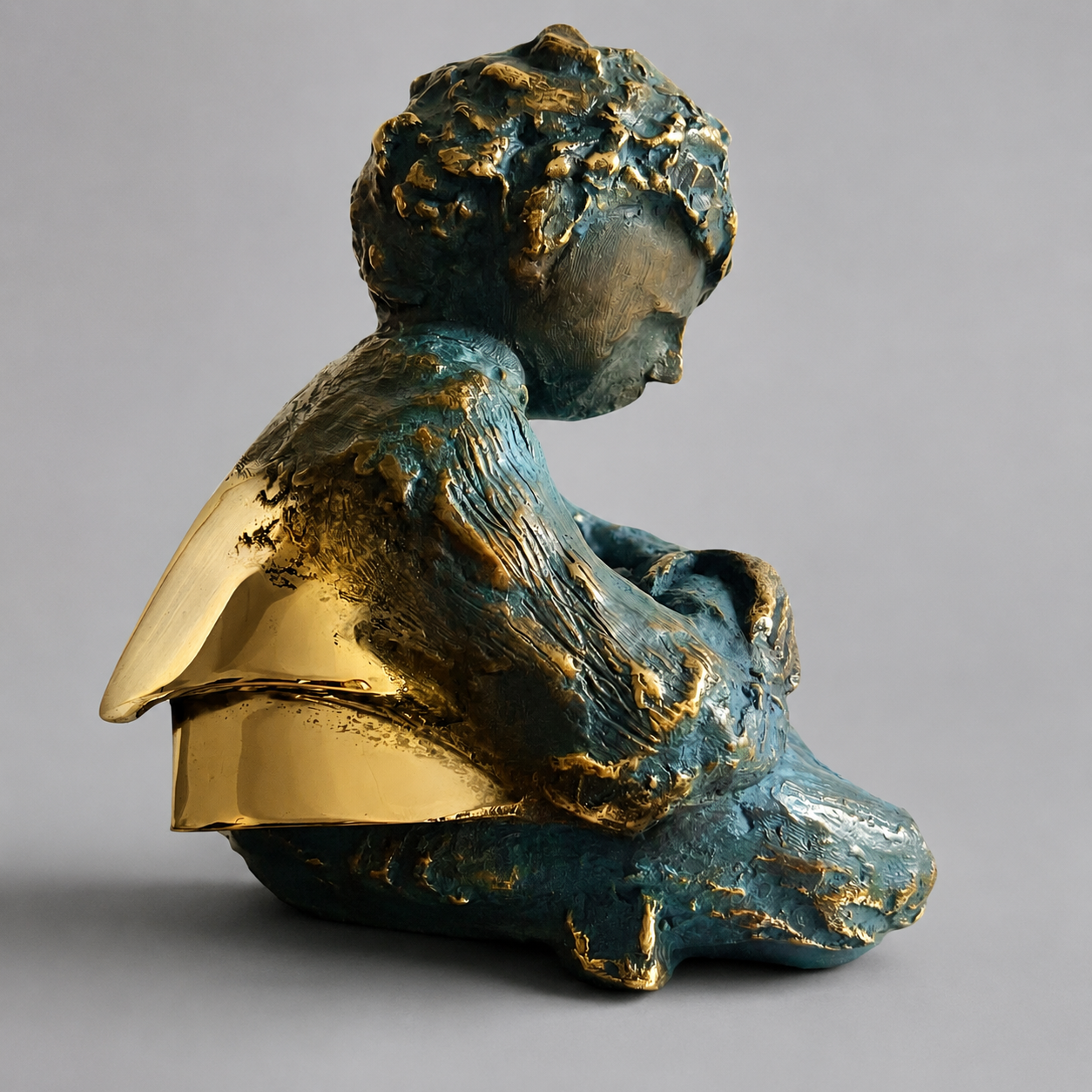
Bimbo imbronciato – Pouting Child
Bronzo organico, fusione a cera persa –Organic bronze, lost-wax casting
L’infanzia diventa il luogo della vulnerabilità. Lo sguardo del bambino non racconta soltanto il dolore individuale, ma rappresenta quello di un’intera generazione.
The Renaissance symbol of the hero becomes a young man forced to confront contemporary conflict. The sculpture reflects on the loss of innocence and on the destiny of humankind.es testimony, reflection and hope.”“
Le Fanciulle con la colomba – The Girls with the Dove
Questa serie intitolata “Le Fanciulle con la colomba” trasformano un simbolo universale in un invito alla pace. La serie restituisce a questo emblema una presenza concreta e necessaria, affidandolo alla fragilità di queste piccole figure, per ricordare ogni giorno quanto la pace sia un bene prezioso da custodire e una responsabilità che riguarda tutti. La colomba non è soltanto il simbolo della pace, ma della possibilità di custodire la speranza anche nei momenti di maggiore fragilità. Attraverso questi bronzetti la serie vuole restituire alla colomba una presenza concreta e attuale, per ricordare che la pace è necessaria.
This series “The Girls with the Dove” transform a universal symbol into an invitation to peace. The series gives this emblem a concrete and necessary presence, entrusting it to the fragility of these small figures, as a daily reminder that peace is a precious value to be protected and a responsibility shared by us all.The dove is not only a symbol of peace, but also of the possibility of preserving hope even in moments of greatest fragility. Through these small bronze sculptures, the series seeks to give the dove a concrete and contemporary presence, as a reminder that peace is necessary.
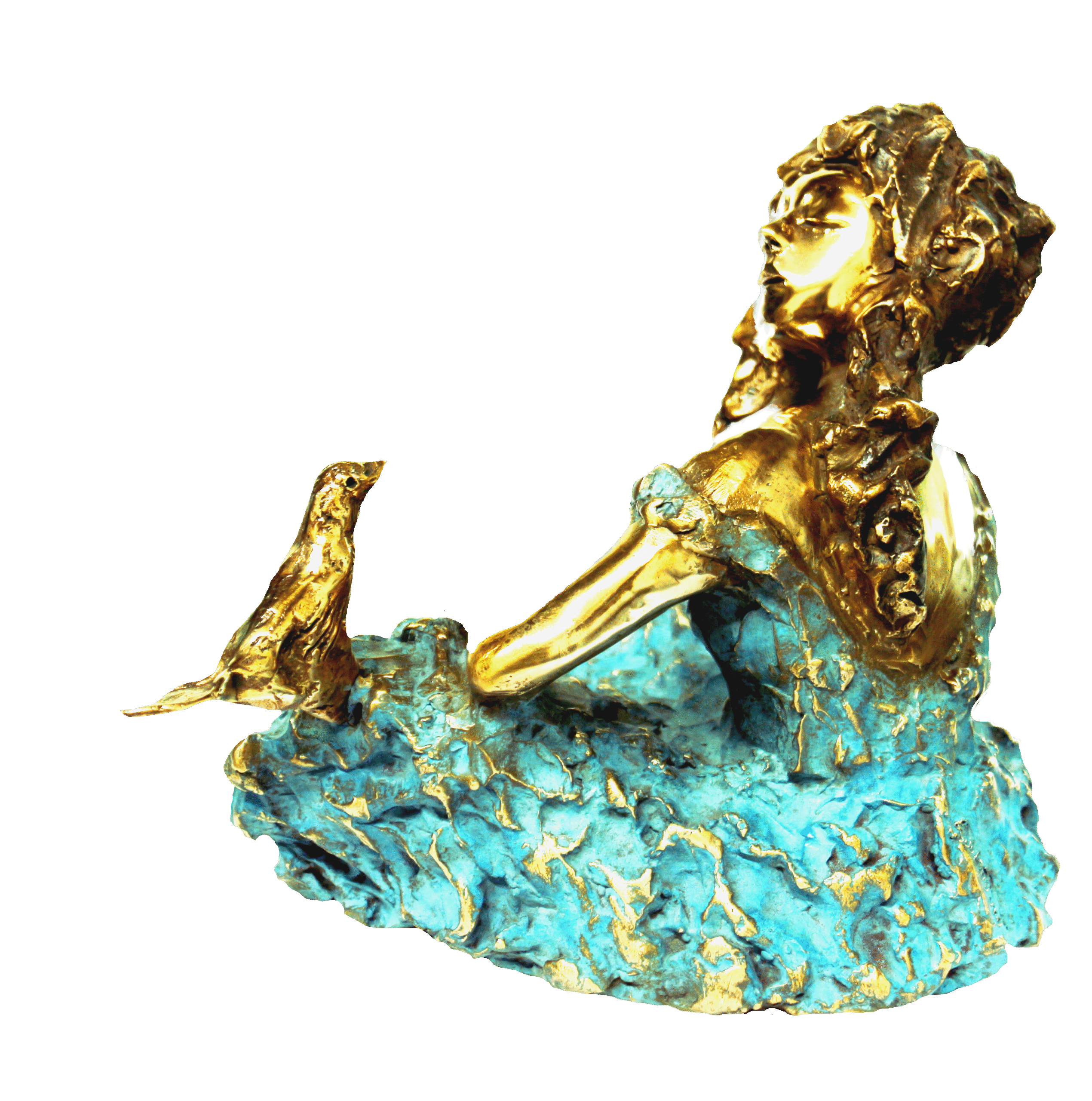
Gambe incrociate with a Dove– Girl with Crossed Legs with a Dove
Bronzo organico, fusione a cera persa – Organic bronze, lost-wax casting.
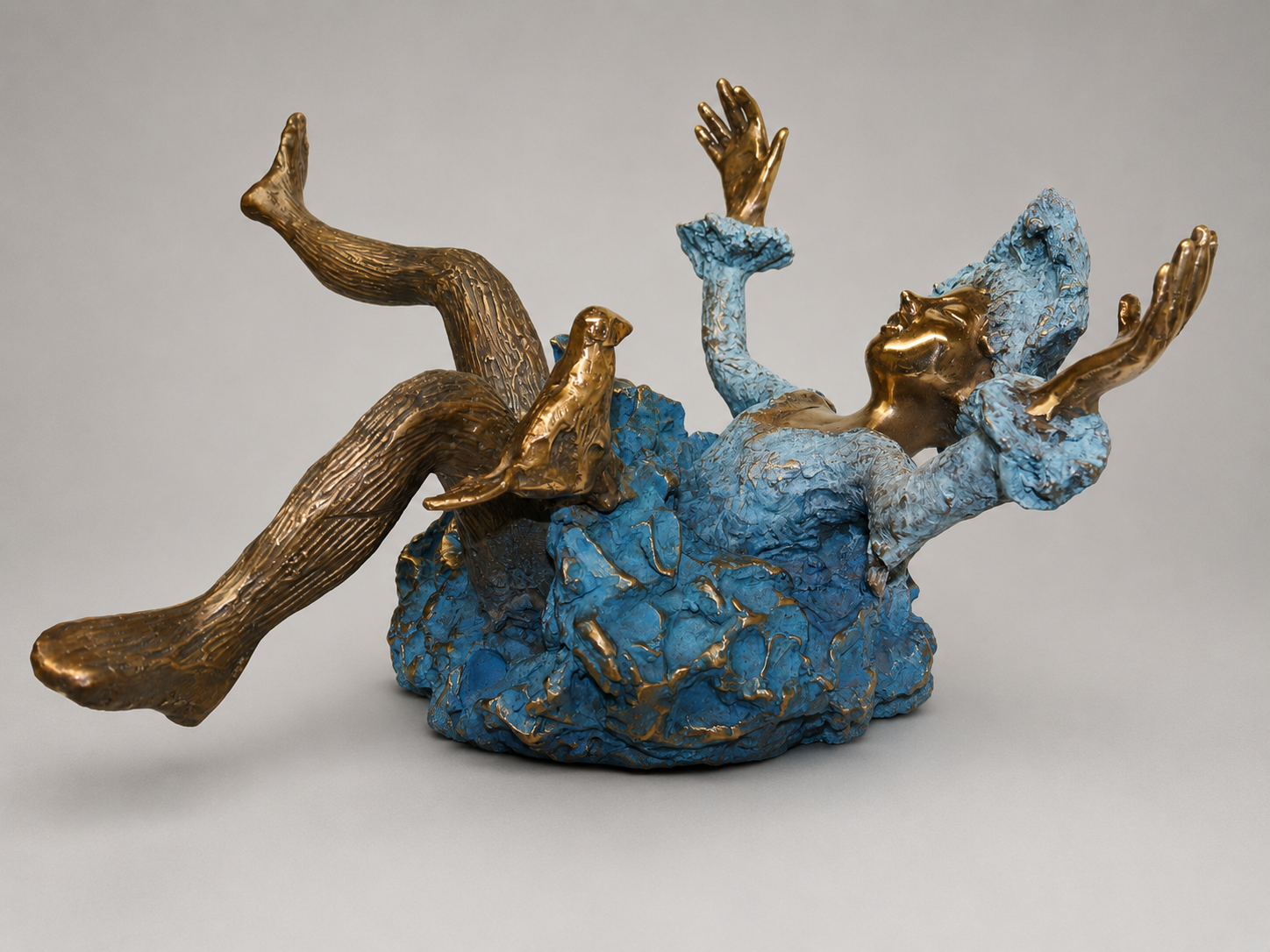
Gambe all’aria con colomba – Legs Up with a Dove
Bronzo organico, fusione a cera persa – Organic bronze, lost-wax casting.
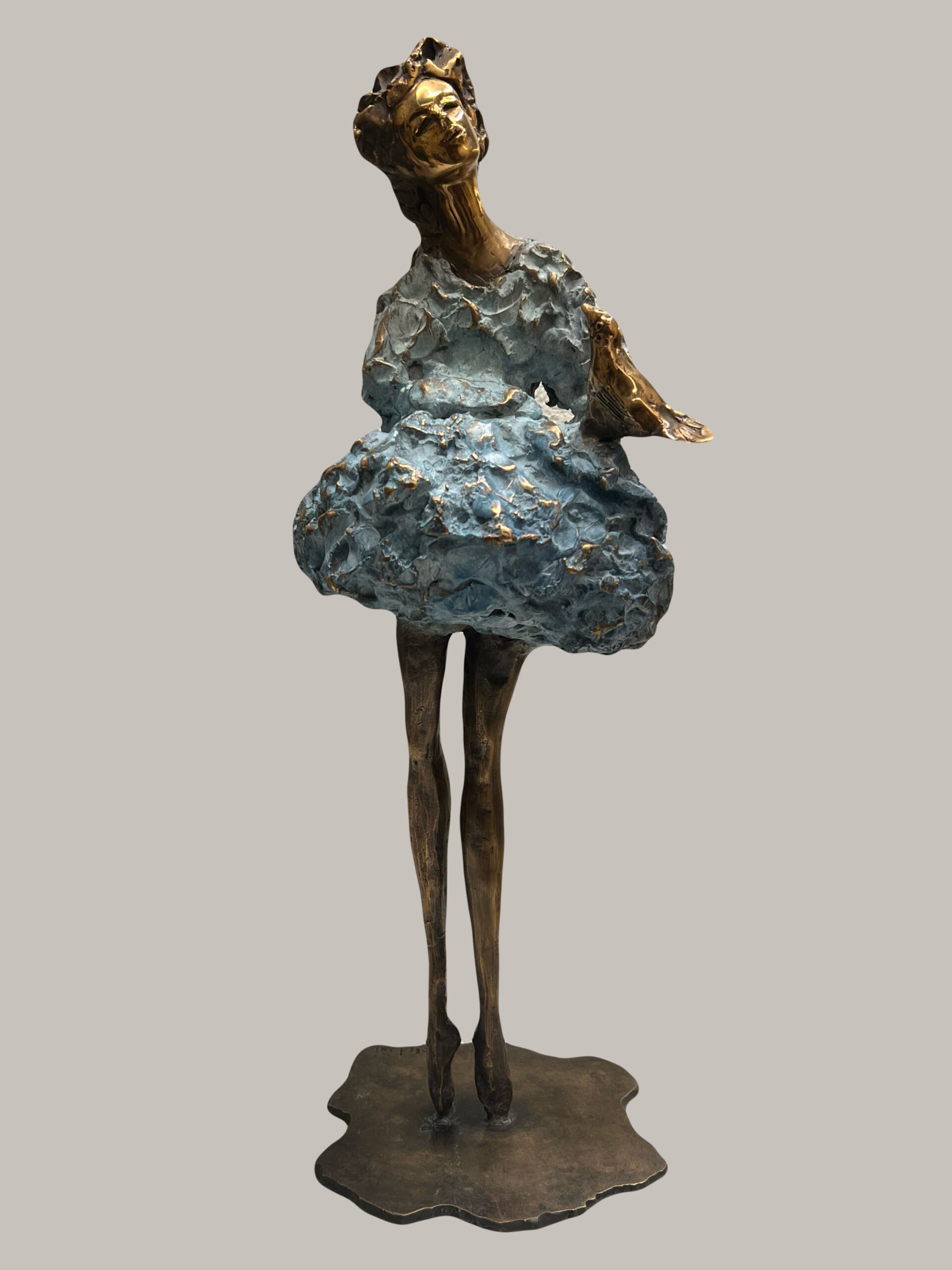
Sulla punta estrema con colomba – On the Extreme Tip with a Dove
Bronzo organico, fusione a cera persa – Organic bronze, lost-wax casting.
Sulla Punta Estrema racconta l’equilibrio tra forza e leggerezza. Il corpo, sospeso in un gesto essenziale, diventa metafora della continua ricerca di armonia tra fragilità e determinazione..
On the Extreme Tip tells of the balance between strength and lightness. The body, suspended in an essential gesture, becomes a metaphor for the continuous search for harmony between fragility and determination.
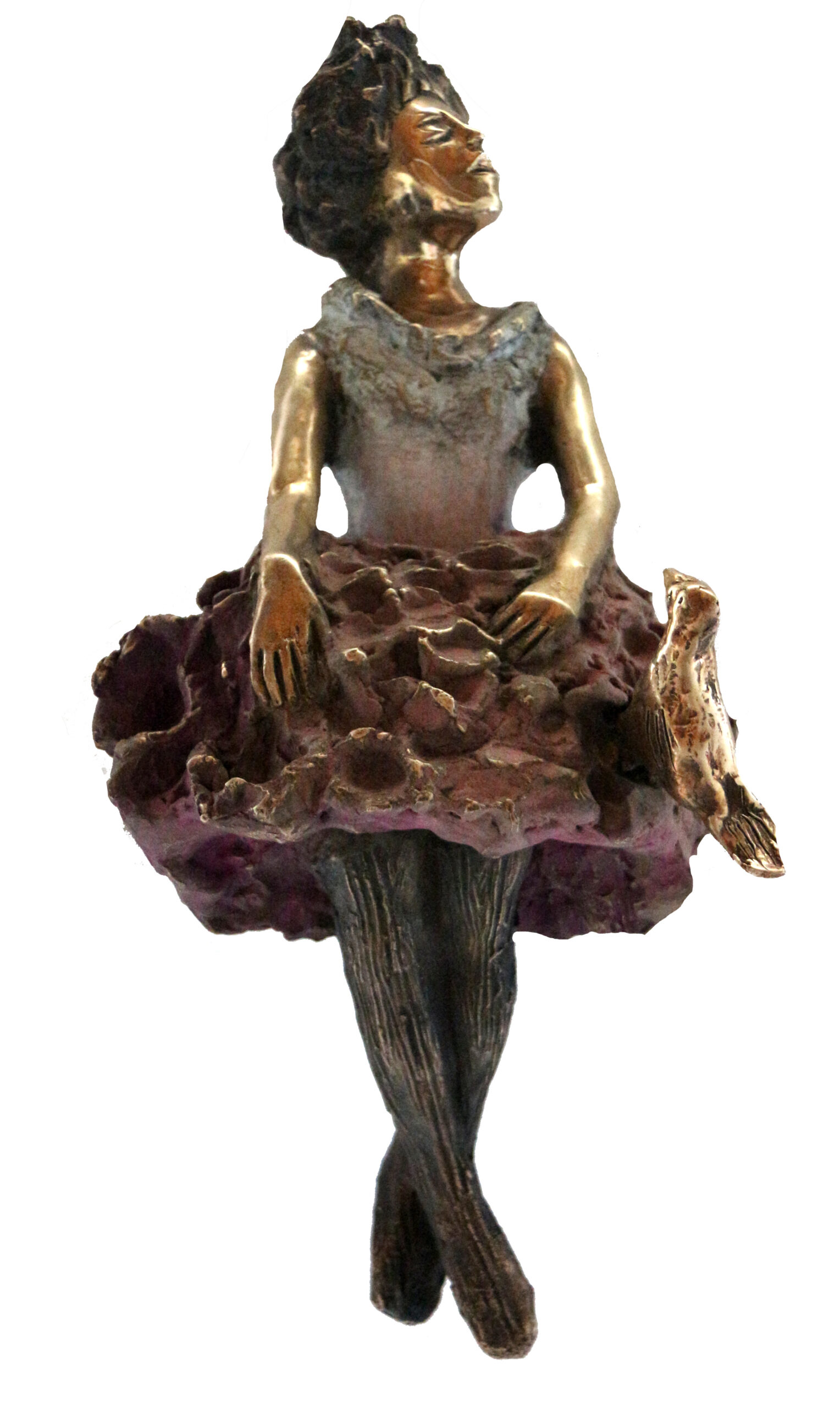
Rosa con colomba – Rosa with a Dove
Bronzo organico, fusione a cera persa – Organic bronze, lost-wax casting.
Con la loro quieta presenza, questi bronzi non sono semplice decoro, ma piccoli richiami alla responsabilità. La colomba diventa un segno concreto di pace, fragile e necessario, affidato alla cura di ciascuno.
With their quiet presence, these bronzes are not mere decoration, but small reminders of responsibility. The dove becomes a tangible symbol of peace—fragile and necessary—entrusted to the care of each of us.
Il percorso artistico di AlbertiniArt si caratterizza per una forte tensione simbolica e civile, che attraversa opere in marmo, sculture in bronzo organico e Biosculture. Pur nate da tecniche e materiali differenti, queste opere confluiscono in una ricerca unitaria dedicata ai temi della fragilità, della ferita, della responsabilità e della pace. Le figure modellate nel marmo e nel bronzo dialogano con le Biosculture, realizzate attraverso l’incontro tra legno, ceramica e materiali organici. In esse, la vulnerabilità della materia diventa metafora della condizione umana e testimonianza delle conseguenze della violenza e della guerra. Nel loro insieme, queste opere hanno dato origine alla serie Mettiamo un fiore. Sculture per la pace. Alcune delle Biosculture ne costituiscono una parte integrante e sono state raccolte, insieme alle altre opere della serie, nell’omonimo volume pubblicato nel 2025. La pace non viene rappresentata come un concetto astratto o puramente celebrativo, ma come una necessità concreta, fragile e quotidiana: un bene da proteggere e una responsabilità che coinvolge ciascuno di noi.
AlbertiniArt’s artistic journey is distinguished by a strong symbolic and civic tension that runs through works in marble, sculptures in organic bronze, and Biosculptures. Although created through different techniques and materials, these works converge in a unified investigation of fragility, wounds, responsibility, and peace. The figures shaped in marble and bronze enter into dialogue with the Biosculptures, created through the combination of wood, ceramic, and organic materials. In these works, the vulnerability of matter becomes a metaphor for the human condition and a testimony to the consequences of violence and war. Together, these works gave rise to the series Let Us Plant a Flower. Sculptures for Peace. Some of the Biosculptures form an integral part of the series and were collected, together with the other works, in the book of the same title published in 2025. Peace is not represented as an abstract or purely celebratory concept, but as a tangible, fragile, and everyday necessity: something to be protected and a responsibility shared by us all.
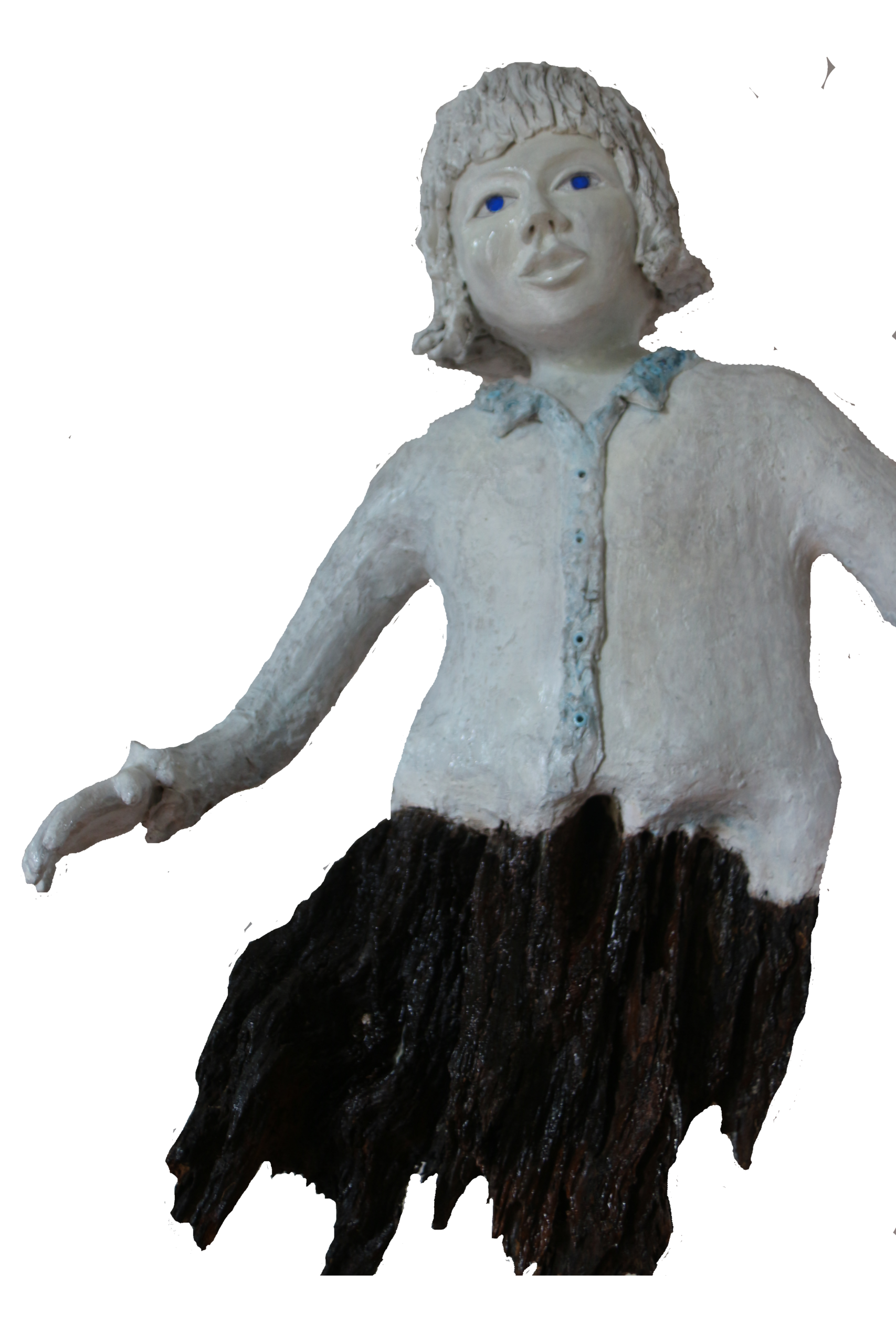
Bimba incendiata – Burned Girl
Bioscultura, legno e ceramica – Biosculpture, wood and Ceramic
Una figura che richiama le vittime invisibili delle guerre contemporanee. Il corpo conserva la memoria della dignità della sopravvivenza.
A figure that evokes the invisible victims of contemporary wars. The body preserves the memory and dignity of survival.
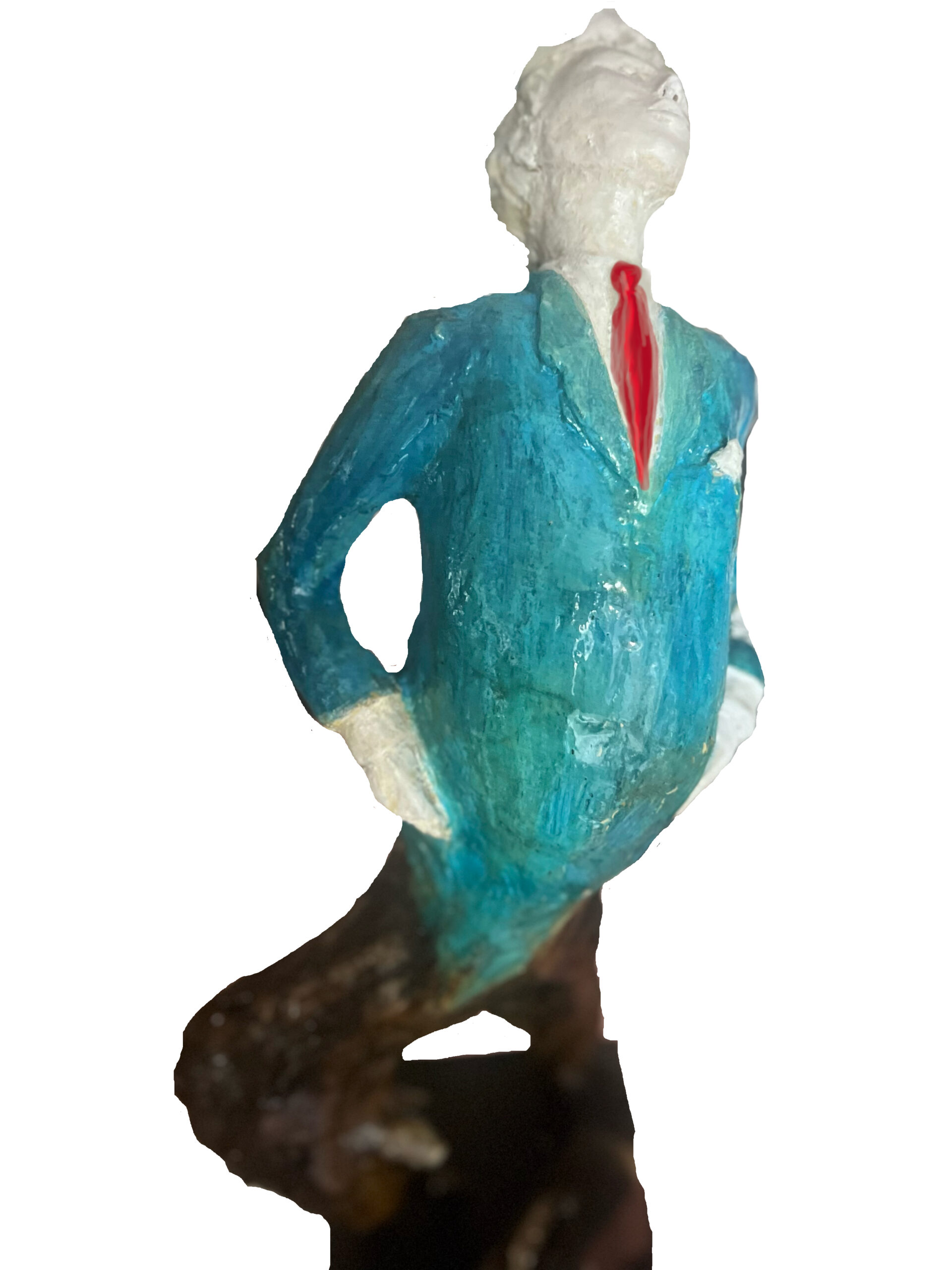
Politico con cravatta rossa – Politician with a Red Tie
Serie gente comune – Ordinary People Series
Bioscultura, legno e ceramica – Biosculpture, wood and Ceramic
Politico con cravatta rossa entra nella serie Sculture per la Pace come immagine critica del potere quando perde il contatto con l’umano. La cravatta rossa diventa segno di comando. Figura ironica e inquieta del potere contemporaneo, che denuncia la distanza tra la gente comune, la politica e la fragilità concreta della pace.
Politician with a Red Tie enters the Sculptures for Peace series as a critical image of power when it loses contact with humanity. The red tie becomes a symbol of authority. An ironic and unsettling figure of contemporary power, the work denounces the distance between ordinary people, politics, and the concrete fragility of peace.
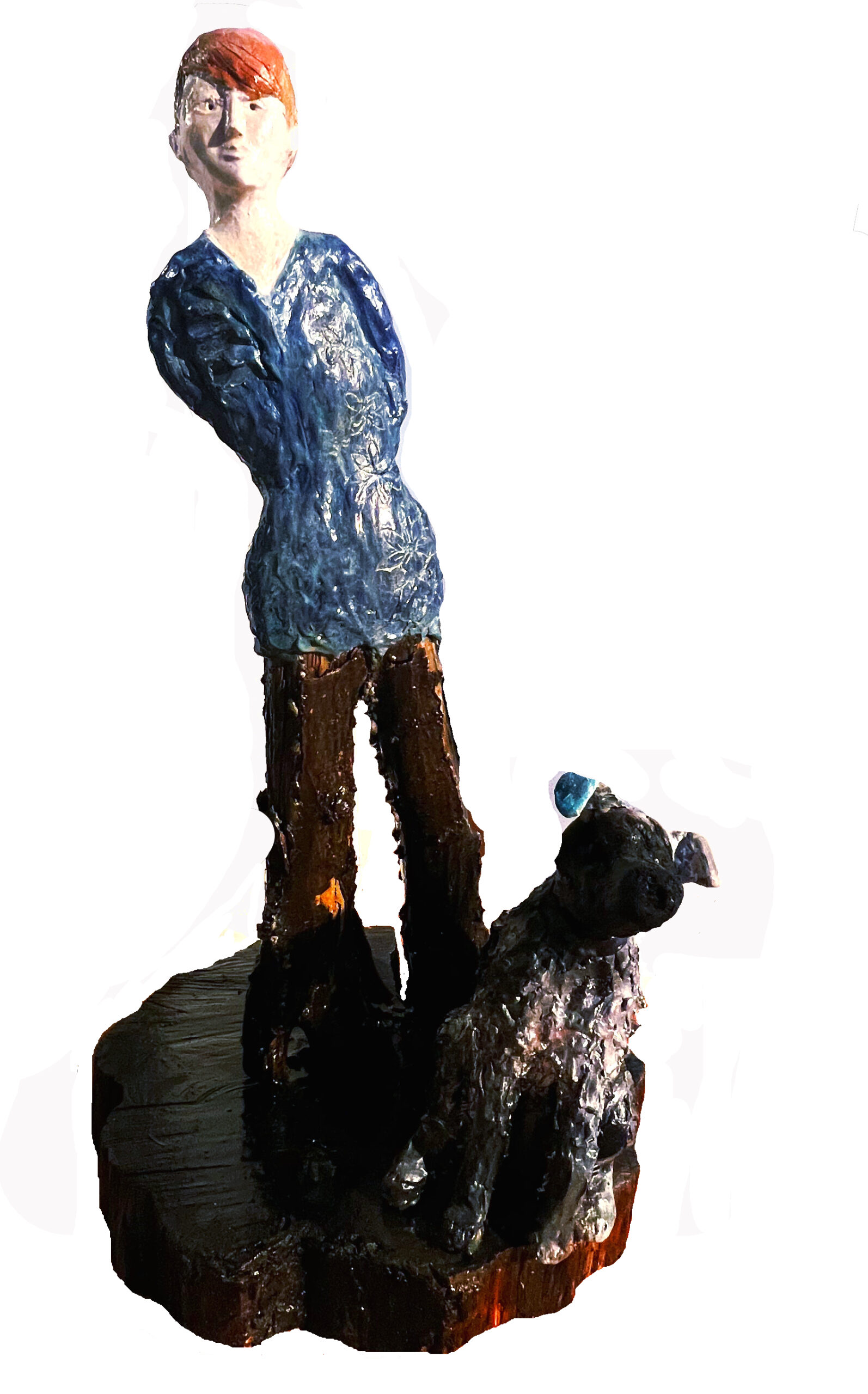
Ragazzo con cane – Boy with dog
Serie gente comune – Ordinary People Series
Bioscultura, legno e ceramica – Biosculpture, wood and Ceramic
Il legame tra il ragazzo e il cane diventa simbolo di fiducia, cura e appartenenza. Legno e ceramica dialogano in un equilibrio tra natura e figura umana, trasformando l’opera in un’immagine di armonia e di speranza, dove il rapporto con gli animali ricorda la possibilità di una convivenza fondata sul rispetto e sulla pace.
The bond between the boy and the dog becomes a symbol of trust, care, and belonging. Wood and ceramic enter into dialogue in a balance between nature and the human figure, transforming the work into an image of harmony and hope, where the relationship with animals recalls the possibility of coexistence founded on respect and peace.
Fiocco rosso – Red Bow
Bioscultura, legno e ceramica – Biosculpture, wood and Ceramic
Con Fiocco rosso, la serie Sculture per la Pace trasforma un simbolo di dolore e consapevolezza in un’immagine di rinascita, affidando ai fiori un messaggio di vita e di pace.
With Red Bow, the Sculptures for Peace series transforms a symbol of pain and awareness into an image of rebirth, entrusting the flowers with a message of life and peace.
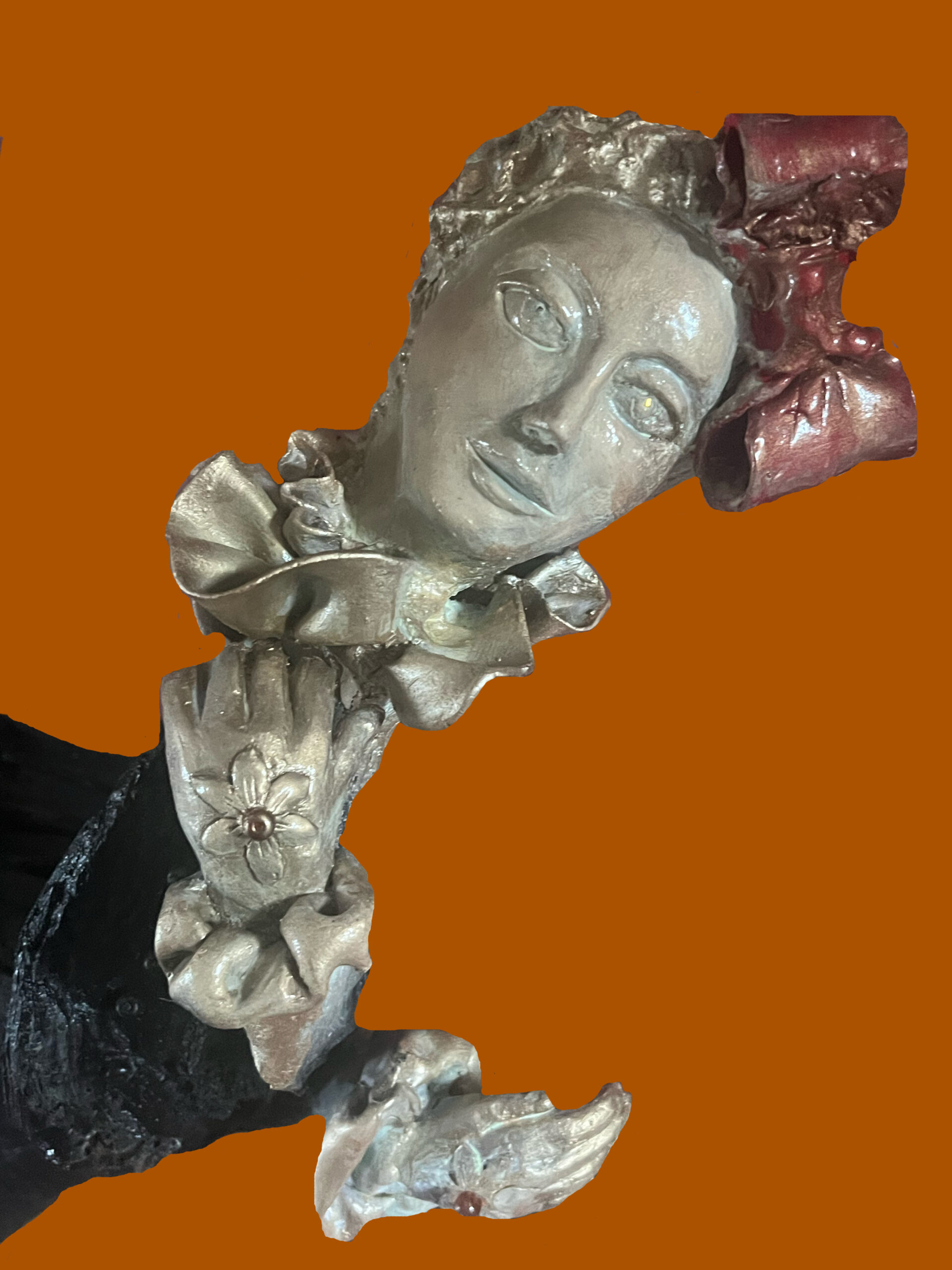
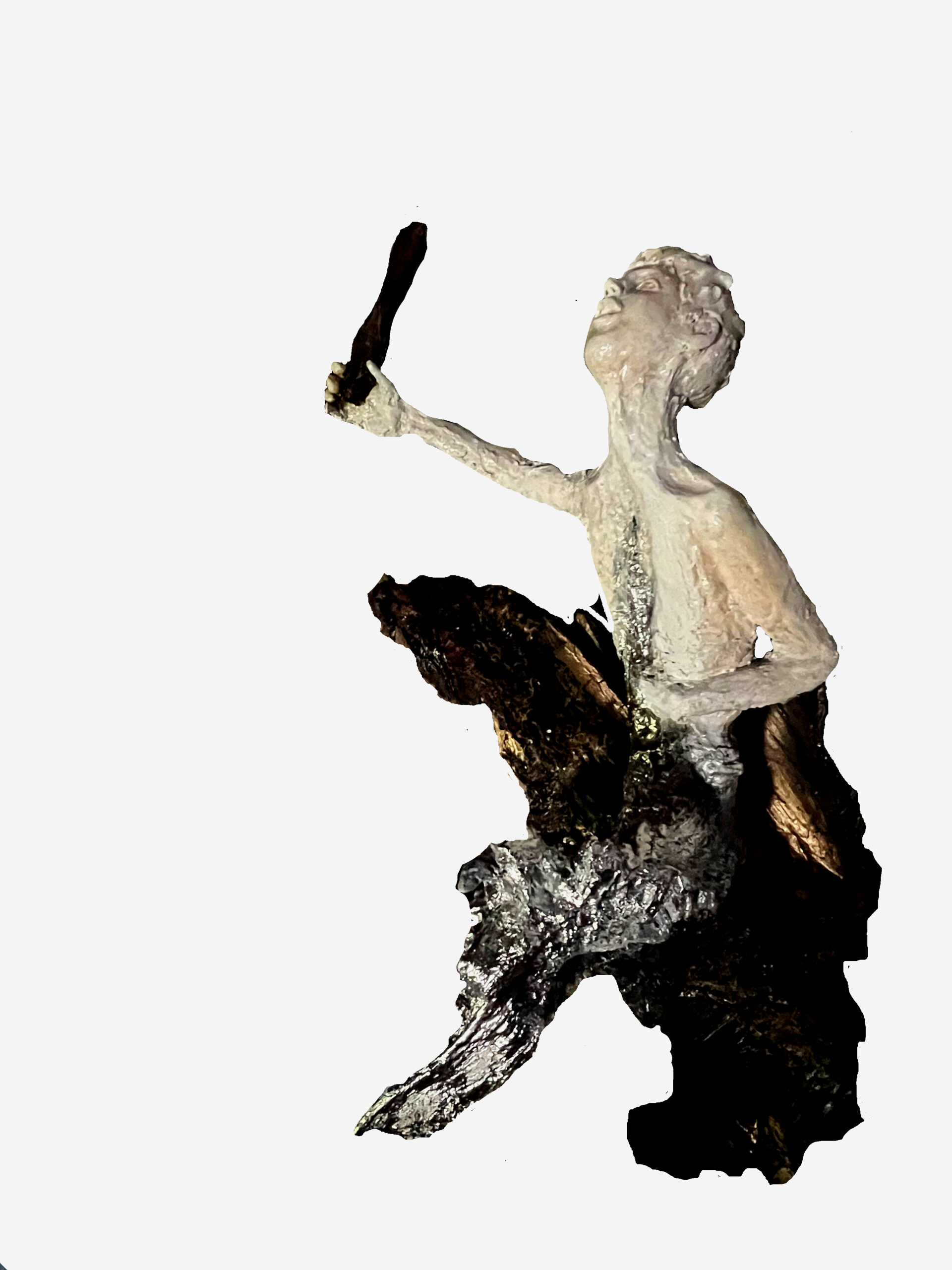
Ragazzo ferito – Wounded Boy
Bioscultura, legno e ceramica – Biosculpture, wood and Ceramic
Il corpo porta i segni della ferita, ma conserva la forza di rialzarsi. Attraverso la materia e la figura umana, la bioscultura trasforma il dolore in memoria e la fragilità in una possibilità di rinascita, ricordando che ogni ferita può diventare testimonianza di resistenza e speranza.
The body bears the marks of injury, yet retains the strength to rise again. Through matter and the human figure, the biosculpture transforms pain into memory and fragility into a possibility of rebirth, reminding us that every wound can become a testimony of resistance and hope.
Fiore e Farfalla – Flower and Butterfly
Bioscultura, legno e ceramica – Biosculpture, wood and Ceramic
Fiore e Farfalla sono due sculture indipendenti ma complementari, unite da una stessa tensione simbolica. Nella loro dolcezza, i due soggetti diventano segni di forza interiore e di rinascita, ricordando che la pace non è fragilità, ma una forma profonda di resistenza. Attraverso la materia e la figura, l’opera trasforma il dolore in memoria e la vulnerabilità in possibilità di riscatto, suggerendo che anche la ferita può diventare testimonianza di speranza.
Flower and Butterfly are two independent yet complementary sculptures, united by the same symbolic tension. In their gentleness, the two subjects become signs of inner strength and rebirth, reminding us that peace is not fragility, but a profound form of resistance. Through matter and form, the work transforms pain into memory and vulnerability into the possibility of redemption, suggesting that even a wound can become a testimony of hope.
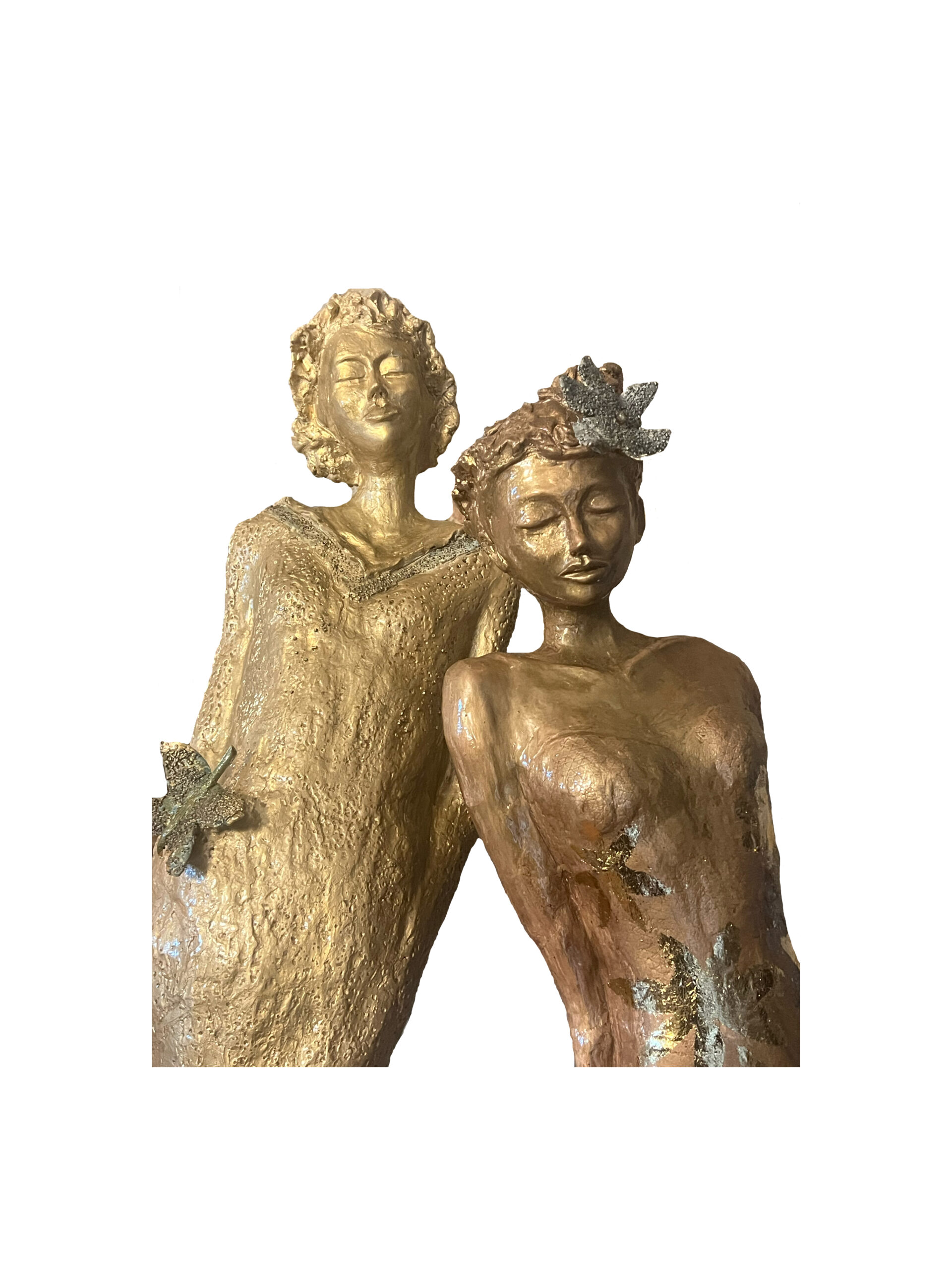
“Sculture nate dalla fragilità dei materiali, per raccontare la forza della vita.”