Biosculture antropomorfe in bronzo, ceramica e cera
Anthropomorphic Biosculptures: Bronze, Ceramic and Wax
Le Biosculture antropomorfe di AlbertiniArt nascono come ricerca sulla figura umana, sulla natura e sulla fragilità dei materiali. Realizzate a partire dal 2019, durante il periodo del lockdown, uniscono legno, ceramica, cera e bronzo organico in opere sospese tra memoria, ferita e rinascita.
AlbertiniArt’s anthropomorphic Biosculptures emerge from a research into the human figure, nature, and the fragility of materials. Created from 2019 onward, during the lockdown period, they combine wood, ceramic, wax, and organic bronze in works suspended between memory, wounds, and rebirth.

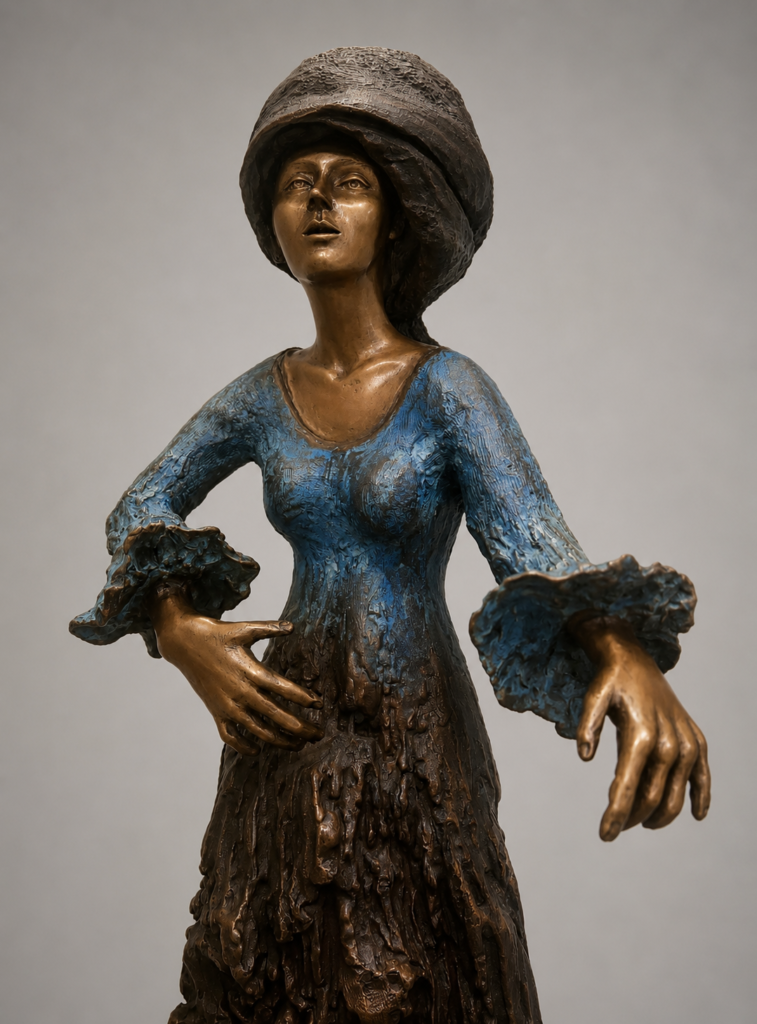
La Fragilità dei materiali come metafora della condizione umana
La serie Bioscultura, realizzata da AlbertiniArt a partire dal 2019, nasce nel periodo del lockdown e si sviluppa come ricerca sulla figura antropomorfa, sulla natura e sull’uso di materiali organici e alternativi.
Legno, ceramica, cera e materia viva diventano parte integrante dell’opera, dando forma a presenze fragili, corpi feriti e figure sospese tra memoria, trasformazione e resistenza.
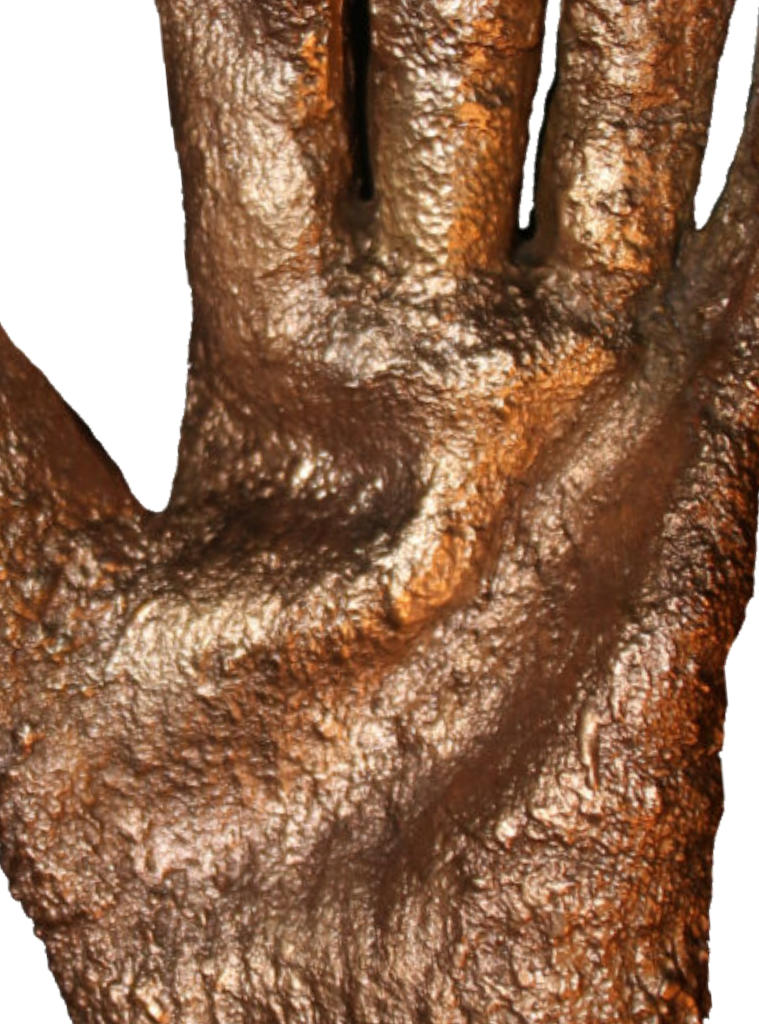
Alcune di queste opere sono state successivamente tradotte in bronzo con l’antica tecnica della fusione e della patina a caldo, dando origine alle Biosculture antropomorfe in bronzo. In esse, il bronzo conserva la plasticità originaria dei materiali naturali e trasforma ciò che nasce fragile in una forma destinata a durare nel tempo.
Le Biosculture rappresentano un capitolo essenziale della ricerca di AlbertiniArt: opere in cui tagli, incrinature, stratificazioni e impronte non sono imperfezioni, ma segni narrativi della condizione umana. Nate come risposta simbolica ai traumi collettivi del nostro tempo — dalla pandemia ai conflitti contemporanei — custodiscono nella materia memorie silenziose di vita, ferita e rinascita.
The Fragility of Materials as a Metaphor for the Human Condition
The Biosculpture series, created by AlbertiniArt starting in 2019, originated during the lockdown period and developed as a research project on the anthropomorphic figure, nature, and the use of organic and alternative materials.
Wood, ceramic, wax, and living matter become an integral part of the work, giving form to fragile presences, wounded bodies, and figures suspended between memory, transformation, and resistance.
Some of these works were later translated into bronze through the ancient techniques of casting and hot patination, giving rise to the Anthropomorphic Biosculptures in Bronze. In these works, bronze preserves the original plasticity of natural materials and transforms what is born fragile into a form destined to endure over time.
The Biosculptures represent an essential chapter in AlbertiniArt’s artistic research: works in which cuts, cracks, stratifications, and imprints are not imperfections, but narrative signs of the human condition. Born as a symbolic response to the collective traumas of our time — from the pandemic to contemporary conflicts — they preserve within the material silent memories of life, wound, and rebirth.
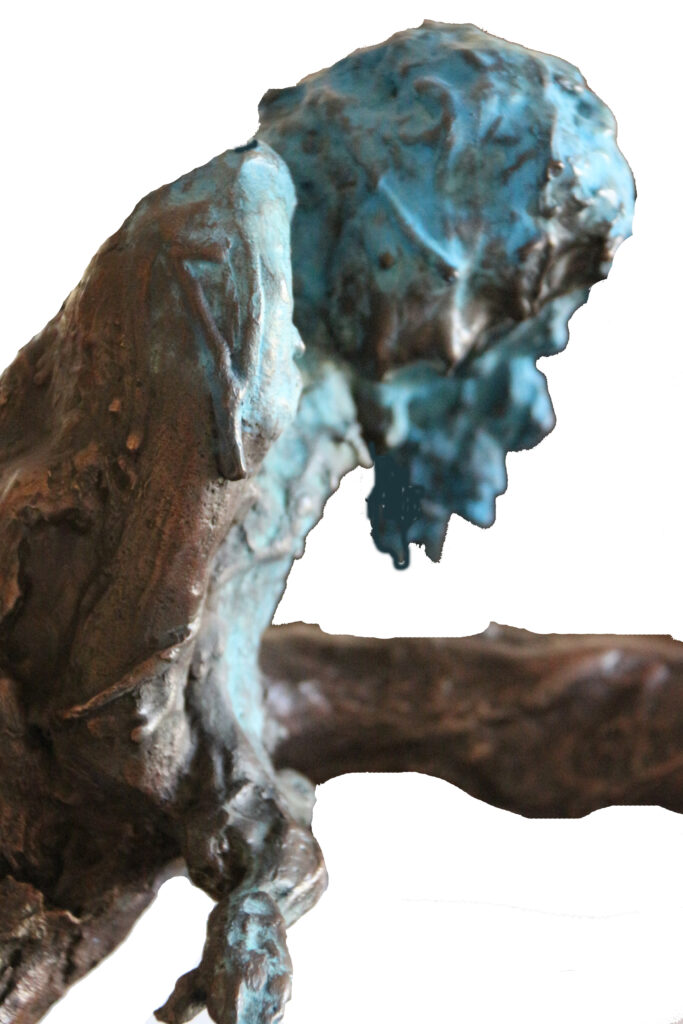
Sotto la pioggia
Scultura a cera persa, patina a caldo
Bioscultura in bronzo organico nata nel periodo del Covid, trasforma la fragilità di quel tempo in una figura di resistenza, memoria e rinascita.
Organic bronze Biosculpture created during the Covid period, transforming the fragility of that time into a figure of resistance, memory, and rebirth.
Edizione unica – Unique edition
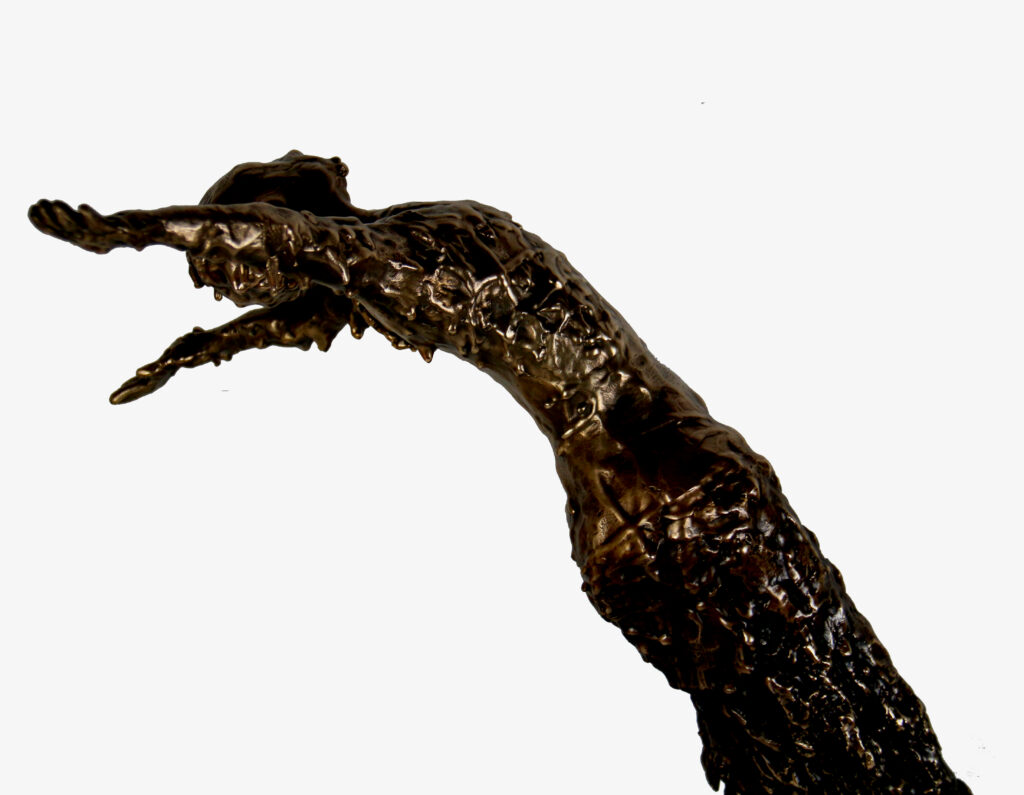
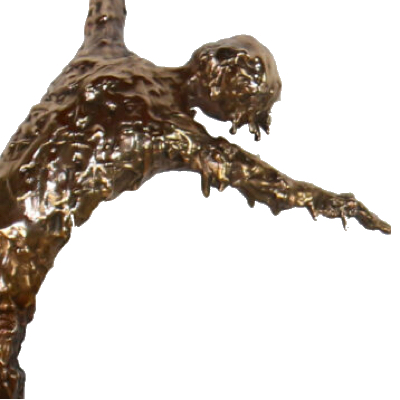
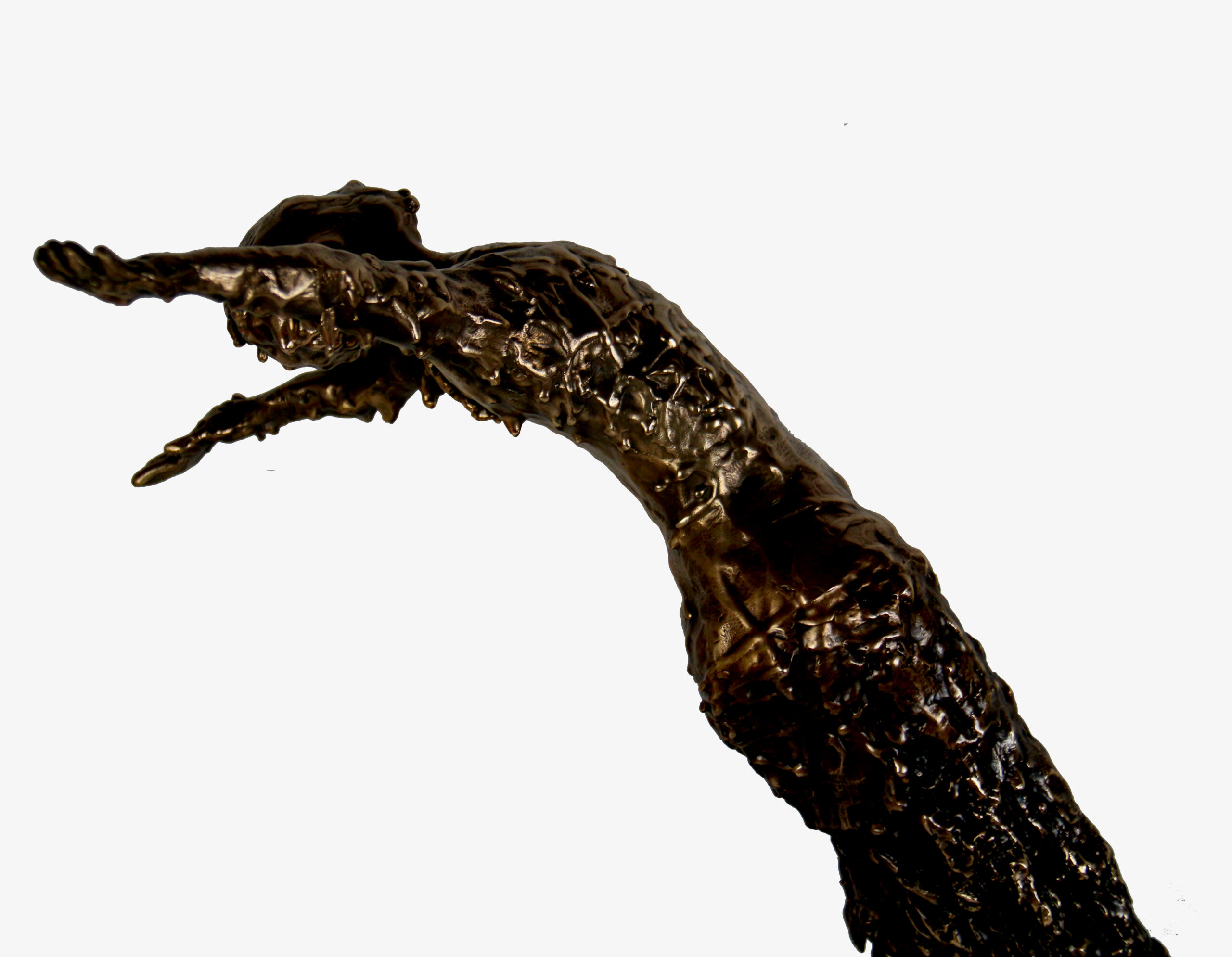
Tuffo nella neve
Scultura a cera persa, patina a caldo
Bioscultura in bronzo organico, nasce come immagine di passaggio e sospensione. La figura sembra cadere all’indietro a braccia allargate, trasformando il gesto del tuffo in un atto di abbandono, resistenza e rinascita.
Organic bronze Biosculpture, conceived as an image of passage and suspension. The figure seems to fall backwards with open arms, transforming the gesture of diving into an act of surrender, resistance, and rebirth.
Edizione unica – Unique edition

Contadina slava
Scultura a cera persa, patina a caldo
Bioscultura in bronzo organico, evoca la dignità della gente comune: una figura di fatica, memoria e resistenza che emerge dalla materia come testimonianza silenziosa del nostro tempo.
Organic bronze Biosculpture, evoking the dignity of ordinary people: a figure of labor, memory, and resistance emerging from the material as a silent testimony of our time.
Edizione unica – Unique edition
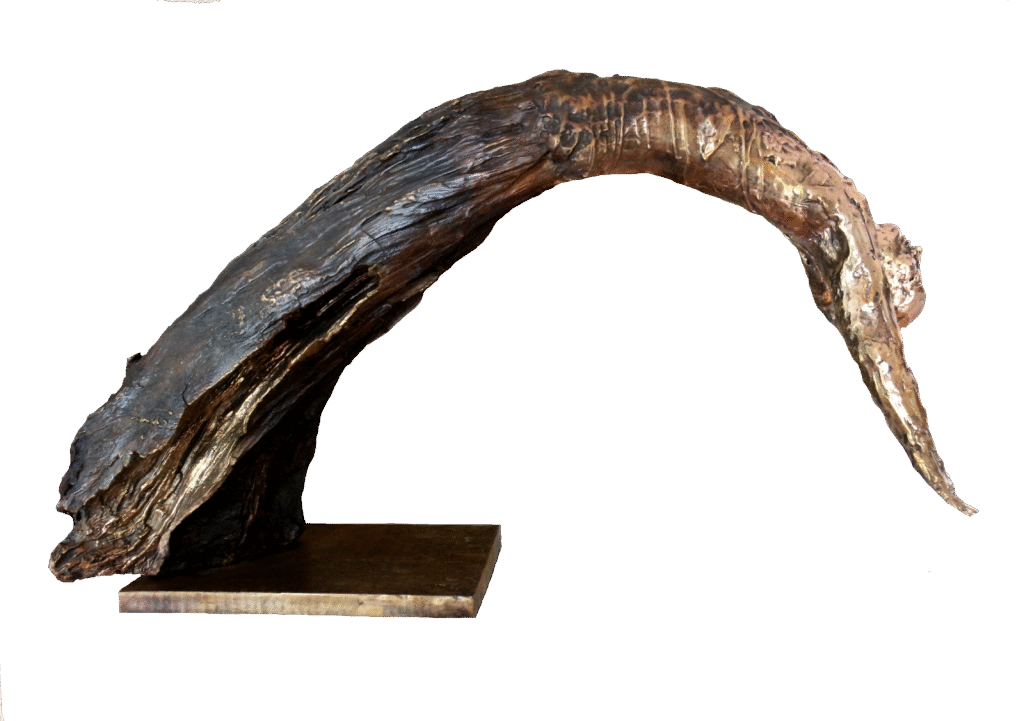
Freedom
Bioscultura in bronzo organico, nasce come figura di tensione e passaggio. La materia sembra curvarsi sotto una forza invisibile, trasformando il corpo in soglia: tra rinascita e libertà.
Organic bronze Biosculpture, conceived as a figure of tension and passage. The material seems to bend under an invisible force, transforming the body into a threshold: between rebirth and freedom.
Edizione unica – Unique edition
*Queste opere sono state presentate all’edizione di Milano Scultura, 2022
Ogni scultura è così un segno simbolico: una figura che, nella sua statica vuole dare un messaggio, che si fa sempre più urgente di riscatto dell’uomo contemporaneo.
Biosculture antropomorfe in cera, in ceramica e in green ceramica.
“Sculture nate dalla fragilità dei materiali, per raccontare la forza della vita.”
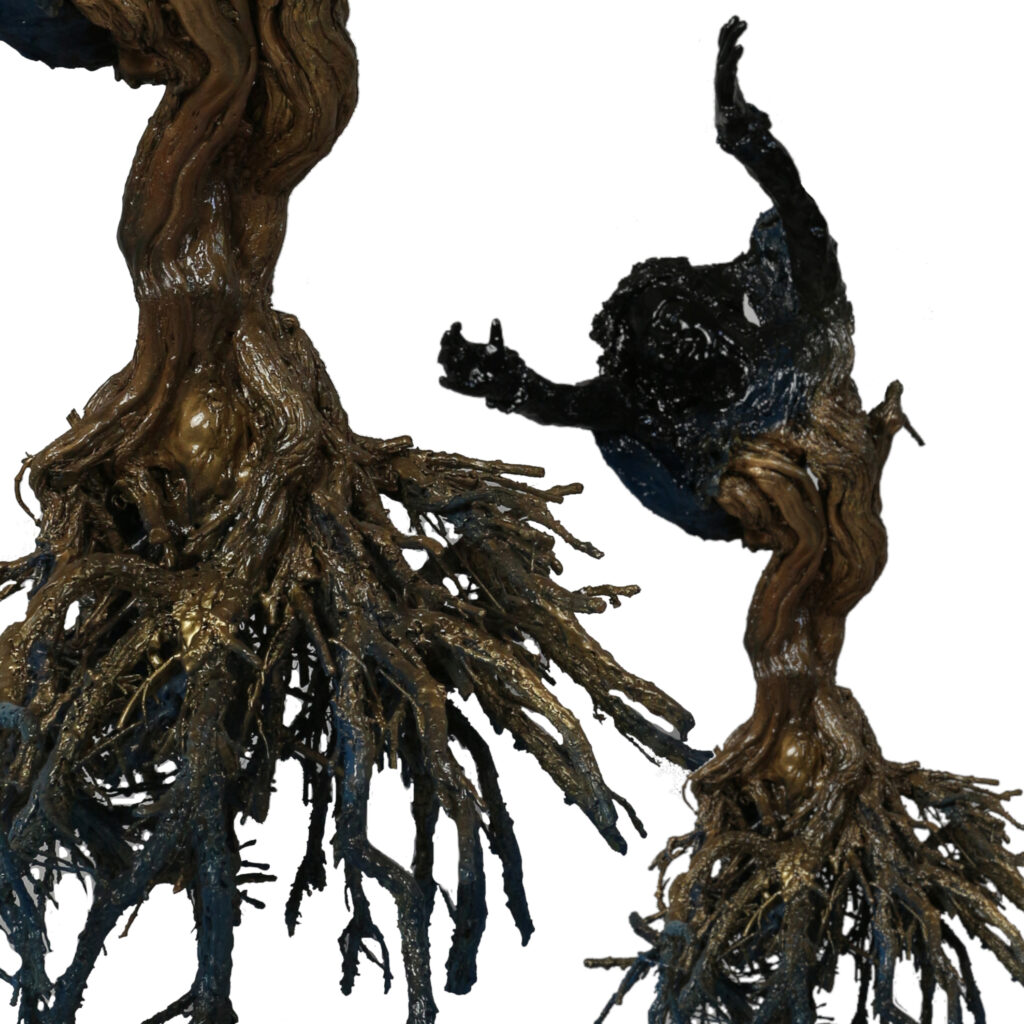
Danzante
Salvia danzante, anno 2019, bioscultura in cera e legno, nasce nel periodo del Covid da una salvia vissuta per oltre vent’anni e morta durante il lockdown, quando gli spostamenti tra una casa e l’altra erano impediti. La pianta, trasformata in corpo e gesto, conserva nella materia la memoria di quel tempo sospeso: fragilità, perdita e insieme movimento, come un’ultima danza della natura.
Dancing Sage, 2019, a biosculpture in wax and wood, was created during the Covid period from a sage plant over twenty years old, which died during the lockdown. The material preserves the memory of that fragility and transforms it into a gesture of movement, loss, and rebirth.
Edizione unica – Unique edition
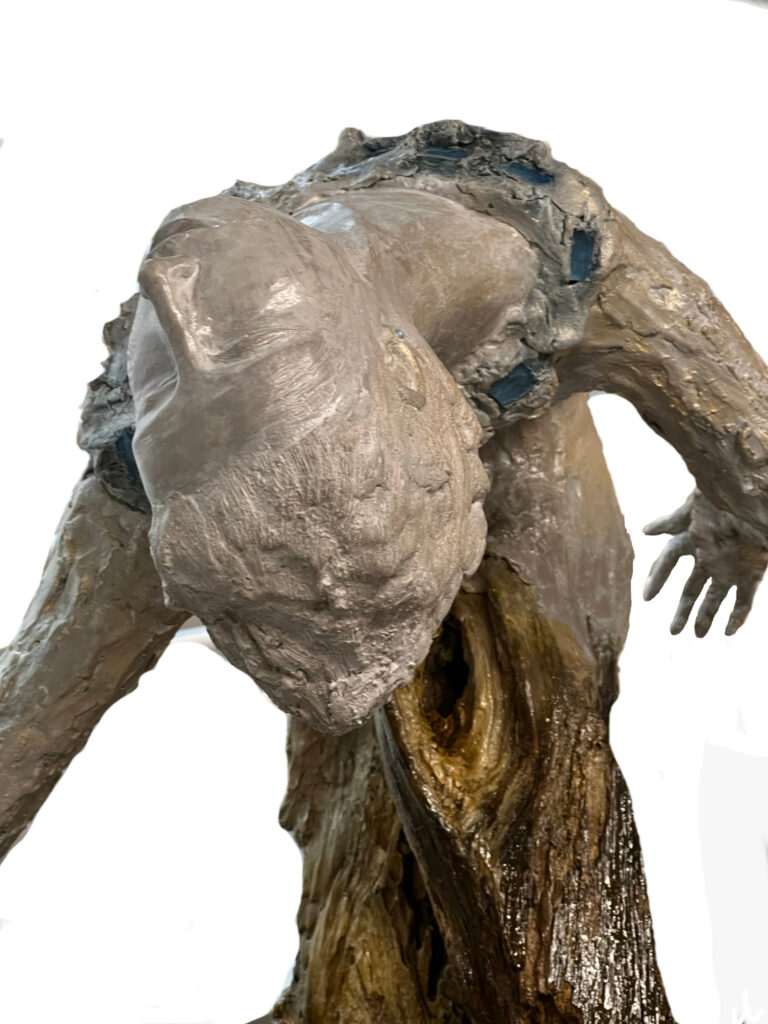
Sirena 3 – Siren 3
Sirena appartiene alla ricerca di AlbertiniArt sulle figure ibride e metamorfiche. Albertini ha realizzato diverse sirene, opere che richiamano corpi contorti, curvati in una sorta di danza mistica. Nelle sue sirene la figura non è soltanto metà umana e metà animale, ma diventa anche corpo vegetale, quasi un essere sospeso tra donna, albero e natura. La sirena diventa così simbolo di doppia vitalità: creatura del corpo e dello spirito, presenza enigmatica che unisce trasformazione, sensualità e mistero.
Siren belongs to AlbertiniArt’s research on hybrid and metamorphic figures. Albertini has created several sirens, works that evoke twisted bodies, curved in a kind of mystical dance. In her sirens, the figure is not only half human and half animal, but also becomes a vegetal body, almost a being suspended between woman, tree, and nature. The siren thus becomes a symbol of double vitality: a creature of body and spirit, an enigmatic presence that unites transformation, sensuality, and mystery.
Edizione unica – Unique edition
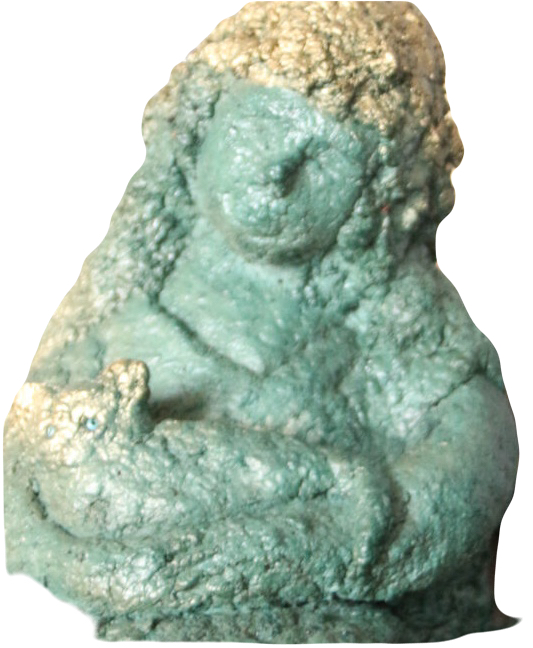
Green Ceramica – Green Ceramic
Green Ceramica nasce come bioscultura in cui la materia ceramica conserva il gesto, la frattura e la memoria della natura. Il verde richiama una vitalità organica, mentre la manipolazione della materia dà origine a sagome e corpi accompagnati dai loro animali: il cane, il gatto, l’uccellino. Presenze minime e affettive, che diventano richiami della natura e della vita quotidiana.
Green Ceramic was created as a biosculpture in which the ceramic material preserves gesture, fracture, and the memory of nature. The green recalls an organic vitality, while the manipulation of the material gives rise to silhouettes and bodies accompanied by their animals: the dog, the cat, the little bird. Small, affectionate presences that become echoes of nature and everyday life.
Edizione unica – Unique edition
Le Biosculture diventano così la testimonianza visiva di un’arte che interroga la condizione umana, trasformando materiali fragili in simboli di memoria e rinascita.
Realizzate in materiali come legno, ceramica e cera, nascono dall’esperienza collettiva della fragilità e della malattia vissuta durante la pandemia. Traducono in forma scultorea la condizione biologica dell’uomo, segnata dalla precarietà, dalla vulnerabilità e dalla necessità di resistere.
È nella materia stessa che si custodisce la memoria: testimonianze fuse con le cere, inglobate nelle ceramiche, destinate a rimanere segrete e sepolte dentro il corpo dell’opera.
Il legno porta con sé la traccia della natura e il tempo che scorre.
La ceramica custodisce il gesto, la frattura e la sua tensione.
La cera evoca la caducità, la trasformazione e la precarietà.
Insieme, queste materie danno vita a corpi e volti sospesi tra ferita e resilienza. La materia, volutamente organica e imperfetta, diventa linguaggio per raccontare l’“esserci” nel mondo in un tempo di crisi, dove la scultura è al tempo stesso corpo, ferita e possibilità di rinascita.
Sculture nate dalla fragilità dei materiali, per raccontare la fragilità dell’uomo e la sua ostinata possibilità di rinascere.
The Biosculptures thus become the visual testimony of an art that questions the human condition, transforming fragile materials into symbols of memory and rebirth.
Created using materials such as wood, ceramic, and wax, they arise from the collective experience of fragility and illness lived during the pandemic. They translate into sculptural form the biological condition of human beings, marked by precariousness, vulnerability, and the need to endure.
It is within the material itself that memory is preserved: testimonies fused into the wax, embedded in the ceramics, destined to remain secret and buried within the body of the work.
Wood carries with it the trace of nature and the passing of time.
Ceramic preserves gesture, fracture, and its tension.
Wax evokes transience, transformation, and precariousness.
Together, these materials give rise to bodies and faces suspended between wound and resilience. The material, deliberately organic and imperfect, becomes a language for expressing “being-in-the-world” in a time of crisis, where sculpture is at once body, wound, and the possibility of rebirth.
Sculptures born from the fragility of materials, created to tell of the fragility of human beings and their stubborn capacity to be reborn.